

Introduction
In the ever-evolving landscape of digital entertainment, the lines between various forms of media often blur, prompting intriguing questions about categorization and definition. One such question that has sparked considerable debate is whether the digital circus can be considered a game. The digital circus, a term encompassing a wide array of immersive digital experiences, challenges traditional notions of gaming by blending elements of performance art, interactive technology, and storytelling. To delve into this question, we must first understand the defining characteristics of both digital circuses and games, explore their similarities and differences, and consider the implications of categorizing digital circuses as games.
Defining Digital Circus
The concept of the digital circus emerges from the fusion of traditional circus arts with cutting-edge digital technology. Digital-circuses encompass a diverse range of experiences, including virtual reality (VR) performances, interactive installations, and augmented reality (AR) spectacles. These immersive experiences often feature a combination of live performers, visual effects, and interactive elements, inviting audiences to participate in a multisensory journey unlike anything found in traditional gaming or performance art alone.
At the heart of the digital circus experience lies the convergence of physical and digital realms. Performers may interact with digital avatars, manipulate virtual environments in real-time, or invite audience members to actively engage with the performance through gesture recognition or other interactive technologies. This seamless integration of the physical and digital worlds creates a sense of wonder and immersion that transcends traditional forms of entertainment.
Understanding Games
Games, on the other hand, are typically defined by a set of rules, goals, and challenges designed to engage players in structured play. From classic board games to sprawling open-world adventures, games come in countless forms and genres, each offering unique mechanics and experiences. While the term “game” often conjures images of digital platforms such as video games, it also encompasses non-digital games like chess, card games, and sports.
Key characteristics of games include interactivity, goal-oriented gameplay, and a defined set of rules governing player actions and outcomes. Whether competing against opponents, solving puzzles, or exploring virtual worlds, players actively participate in shaping the game experience through their decisions and actions.

Exploring the Intersection
At first glance, the digital circus and games may seem distinct in their objectives and modes of engagement. However, upon closer examination, we can identify several overlapping elements that blur the boundaries between these two forms of entertainment.
Interactivity: Both digital circuses and games prioritize interactivity as a central component of the experience. In a digital circus, audiences often play an active role in shaping the performance through their interactions with performers or digital elements. Similarly, games rely on player input to drive gameplay mechanics and progression, whether through direct control of characters or strategic decision-making.
Immersive Storytelling: Storytelling serves as a cornerstone of both digital circuses and games, albeit manifested in different ways. In a digital circus, narratives may unfold through a combination of live performances, visual effects, and audience participation, immersing viewers in a richly textured world of fantasy and wonder. Games, meanwhile, often employ narrative-driven gameplay to immerse players in compelling fictional universes, with branching storylines and character development shaping the player’s journey.
Creative Expression: Both digital circuses and games offer platforms for creative expression, albeit through different mediums. In a digital circus, performers blend physical prowess with digital artistry to create captivating spectacles that push the boundaries of traditional performance art. In contrast, games empower players to express themselves through gameplay, whether through customizing characters, building virtual worlds, or sharing user-generated content with online communities.
Challenges and Goals: While the primary objectives of digital circuses and games may differ, both incorporate elements of challenge and goal-oriented play. In a digital circus, performers may strive to captivate audiences with daring feats of acrobatics or magic, while also inviting viewers to participate in interactive challenges or games within the performance. Similarly, games present players with a variety of challenges to overcome, ranging from puzzles and obstacles to strategic decision-making and competitive multiplayer scenarios.
Implications and Considerations
As the boundaries between digital-circuses and games continue to blur, questions arise regarding the classification and regulation of these hybrid forms of entertainment. Should digital-circuses be subject to the same standards and conventions as traditional games, or do they warrant a distinct classification with their own set of criteria?
One consideration is the role of agency and player autonomy in shaping the experience. While games typically afford players a high degree of agency in determining their actions and outcomes, digital circuses may prioritize the collective experience of the audience over individual player agency. This distinction raises questions about the nature of interactivity in digital entertainment and its implications for defining what constitutes a game.
Furthermore, the emergence of technologies such as virtual reality (VR) and augmented reality (AR) blurs the lines between physical and digital spaces, challenging traditional notions of spectatorship and participation. In a digital circus powered by VR, for example, audiences may inhabit virtual worlds alongside performers, blurring the distinction between observer and participant in ways not seen in traditional gaming or performance art.
The Evolution of Digital Circus
Digital circus represents a paradigm shift in live entertainment, harnessing advancements in technology to create mesmerizing experiences. From interactive VR installations to augmented reality performances, digital circus pushes the boundaries of audience engagement and immersion. Unlike traditional circuses, which rely solely on physical feats and spectacle, digital-circus leverages digital tools to transport audiences into fantastical realms where reality and imagination intertwine.
Interactivity and Engagement
At the core of both digital circus and gaming lies the concept of interactivity, albeit manifested in different ways. In digital circus performances, audiences are active participants rather than passive spectators, influencing the narrative and outcome through their interactions with performers and digital elements. This interactive dynamic fosters a sense of connection and engagement, blurring the lines between performer and audience member.
In gaming, interactivity takes center stage as players navigate virtual worlds, solve puzzles, and overcome challenges. Whether playing solo or engaging in multiplayer experiences, players are empowered to shape the outcome of the game through their actions and decisions. The parallels between the interactivity of digital circus and gaming underscore the transformative potential of immersive entertainment experiences.
Narrative and Storytelling
Storytelling serves as a linchpin in both digital circus and gaming, weaving narratives that captivate and enthrall audiences. In digital circus performances, storytelling transcends traditional linear narratives, unfolding dynamically through a combination of live performances, visual effects, and audience participation. This multidimensional approach to storytelling immerses audiences in richly textured worlds where imagination knows no bounds.
Similarly, gaming harnesses the power of narrative to draw players into immersive fictional universes, where they embark on epic quests, forge alliances, and confront adversaries. Whether exploring the post-apocalyptic wastelands of Fallout or unraveling the mysteries of Rapture in Bioshock, players become active participants in shaping the narrative arc through their choices and actions.
Technology as a Catalyst
Advancements in technology play a pivotal role in shaping the landscape of both digital circus and gaming. From motion tracking and gesture recognition to virtual reality and augmented reality, technological innovations enable unprecedented levels of immersion and interactivity. In digital circus, performers leverage cutting-edge tools to create seamless integrations between physical and digital elements, blurring the boundaries between reality and illusion.
In gaming, technology drives the evolution of immersive experiences, from lifelike graphics and dynamic physics engines to immersive sound design and haptic feedback. The convergence of technology and entertainment has given rise to new possibilities for storytelling, world-building, and audience engagement, fueling a renaissance of creativity in both digital circus and gaming.
The Future of Entertainment
As digital circus and gaming continue to evolve, the distinction between the two becomes increasingly blurred, giving rise to hybrid experiences that defy categorization. From interactive theatrical productions to narrative-driven video games, the boundaries between performer and player, reality and fantasy, continue to dissolve. As audiences seek out new forms of entertainment that transcend traditional mediums, digital circus and gaming stand at the forefront of a revolution in immersive storytelling and experiential artistry.
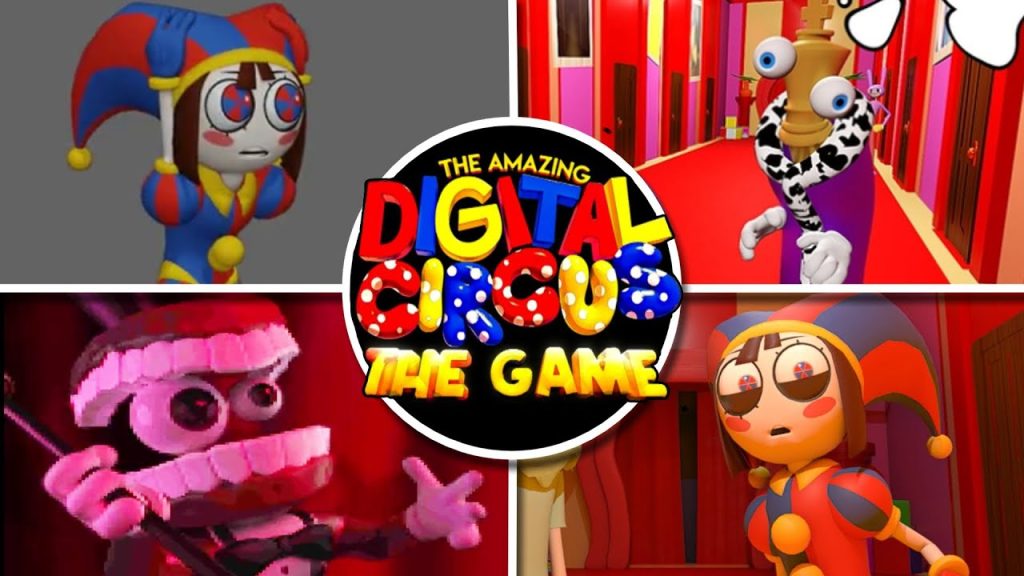
The Spectacle of Digital Circus
Digital circus epitomizes a departure from conventional forms of entertainment, embracing the fusion of physical performance and digital augmentation. Through the integration of technologies such as augmented reality (AR), virtual reality (VR), and interactive projections, digital circus transcends the confines of traditional spectacle, inviting audiences into immersive realms of wonder and enchantment. This synthesis of artistry and technology serves as the cornerstone of digital circus, propelling it into the vanguard of experiential entertainment.
Conclusion
In the evolving landscape of digital entertainment, the boundaries between different forms of media continue to shift and expand. The digital circus represents a fascinating intersection of performance art, interactive technology, and storytelling, challenging traditional notions of gaming while pushing the boundaries of audience engagement and immersion.
While digital circuses share some commonalities with games, including interactivity, immersive storytelling, and goal-oriented play, they also offer unique experiences that defy easy categorization. As digital entertainment continues to evolve, it is essential to remain open to new forms of expression and exploration, embracing the diversity and innovation that define the ever-expanding landscape of digital creativity. Whether digital circuses can be considered games may ultimately depend on how we define the essence of gaming itself and the evolving nature of digital entertainment in the years to come.


